
Regular maintenance is key for tablet presses. Clean hoppers, dies, and punches post-use to avoid cross-contamination. Check punch/die wear; replace damaged parts timely. Lubricate moving parts as required—this extends machine life and ensures consistent tablet quality, reducing production issues.

Choosing the right tablet press requires considering production and product needs.
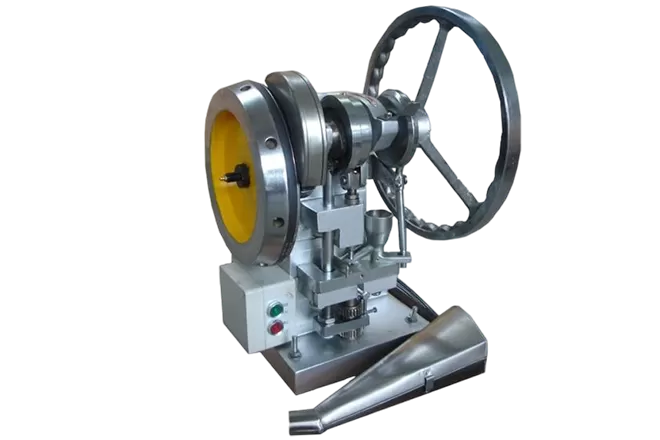
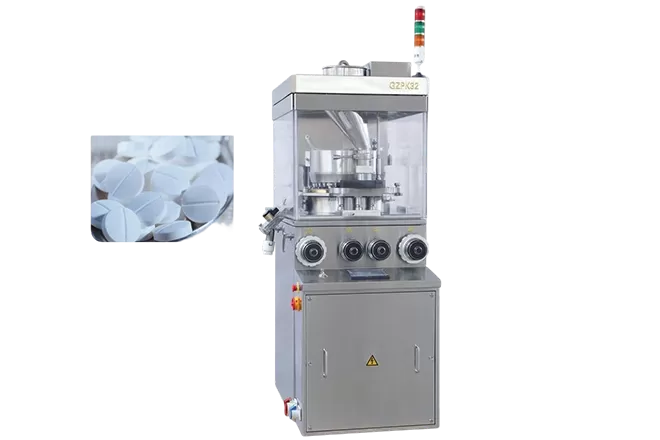
Production volume dictates the type: single-punch models suit labs or small batches, while rotary presses fit large-scale manufacturing.
Material properties are critical—powders with poor flowability need enhanced feeding systems, and hygroscopic materials require anti-adhesion coatings.
Tablet specifications (like size, shape, and hardness matter; irregular shapes may need custom molds.
Regulatory compliance (e.g., GMP, FDA) is essential for pharma; opt for machines with stainless steel parts, easy-to-clean designs, and data-tracking functions.
Finally, consider automation (auto-feeding, error alerts) to cut labor costs, plus maintenance ease and after-sales support.