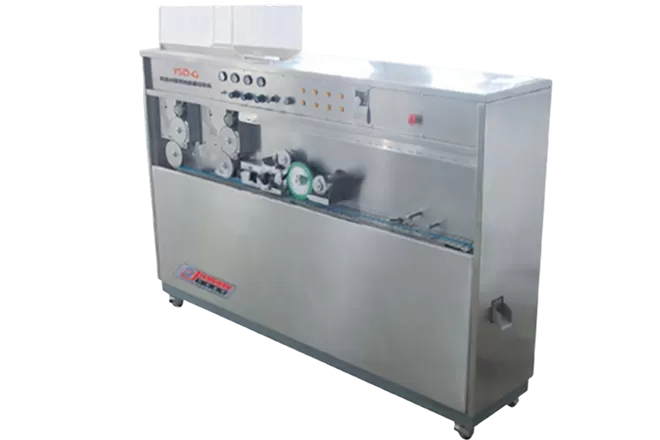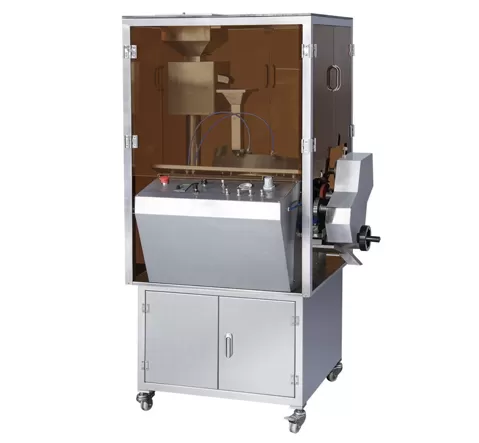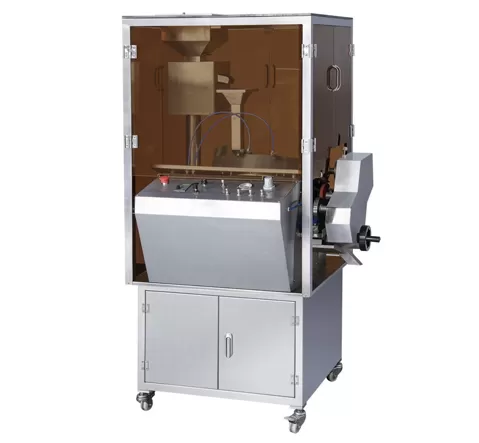
This tablet printing machine adopts a new type of rotary transfer brush device, featuring a compact structure, elegant appearance and convenient movement with brake wheels. It is easy to operate, convenient to change varieties and has low noise.
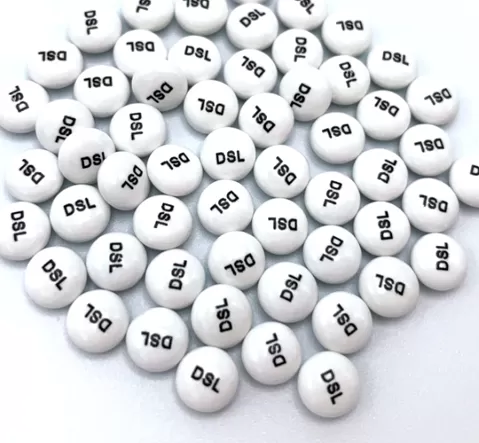
For pharmaceutical tablet printing, the machine uses edible ink with anhydrous ethanol as the diluent. It can print at high speed with clear, fine and fast-drying characters. It is suitable for single-sided, single-color printing and is widely used in the pharmaceutical and food industries.
As a versatile tablet imprinting machine, it can handle products in different specifications and shapes. It can perform axial printing on empty capsules or capsules filled with powder, and is also suitable for round, oval, triangular, hexagonal, sugar-coated, unpolished, polished and coated tablets, as well as regular candies and various soft capsules with patterns, Chinese characters or English text.
Main Technical Parameters | ||
Feeding speed | 14 rpm | |
Capacity (Tablet) | ≤10㎜ | 75,000-85,000 pcs/h |
≤17㎜ | 50,000 pcs/h | |
≤25㎜ | 30,000-35,000 pcs/h | |
Motor power | 0.25KW | |
Voltage | 220V | |
Dimensions | 1000*760*1540mm | |
Weight | 230KG | |
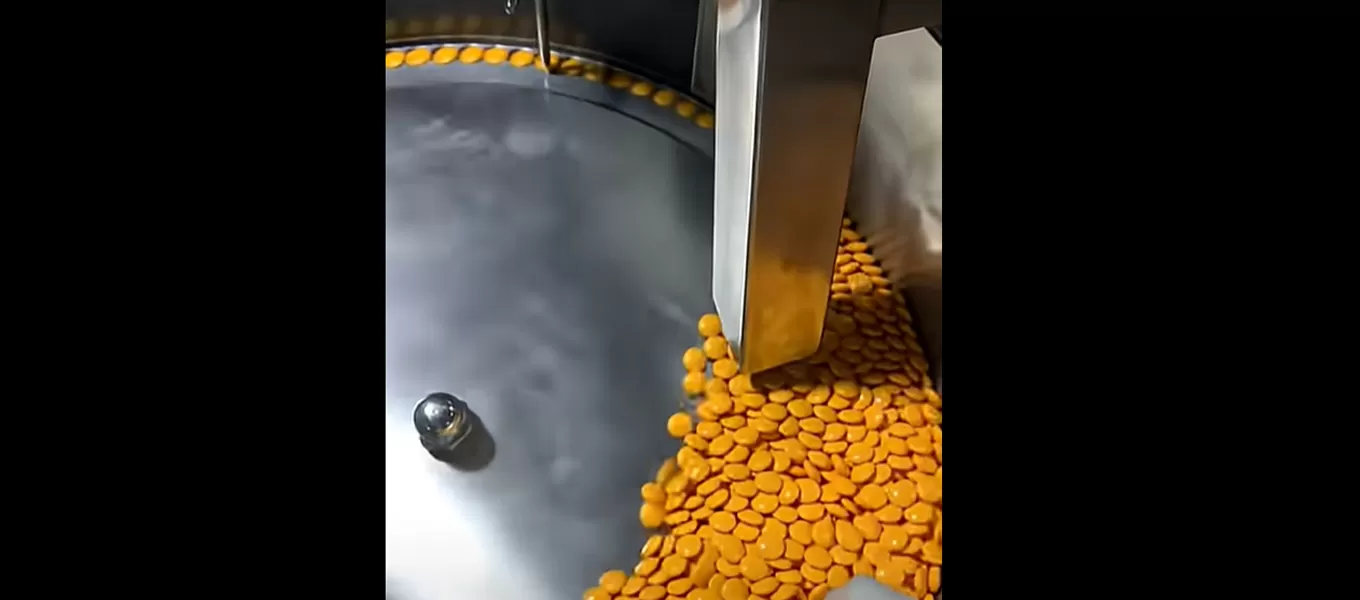
Fully sealed design, fully compliant with GMP standards.
Uses fully automatic vibrating feeder for feeding (with powder layer recycle function), improving filling rate and product yield.
Equipped with alcohol tank, with automatic ink dilution function.
Both the ink scraper and the printing device adopt pneumatic layout, saving operation time and improving printing efficiency.
It is mainly used to print logos, batch numbers, codes or brand marks on the surface of pharmaceutical tablets or pills, to improve product identifiability for end‑users.
Yes. it can handle round, oval, oblong and special‑shaped tablets, provided the tooling and guiding parts are adjusted or replaced accordingly.
Yes, machine adopts stainless steel contact parts, easy‑to‑disassemble structure for thorough cleaning, no dead corners, which meet pharmaceutical production requirements.
No. only pharma‑approved, food‑grade non‑toxic ink is allowed. ordinary industrial ink contains harmful substances and violates pharmaceutical regulations.