In cosmetics, the machine handle a wide range of products: creamy lotions, anti-aging serums, waterproof sunscreens, hydrating hand creams, and even pigmented lip balms.
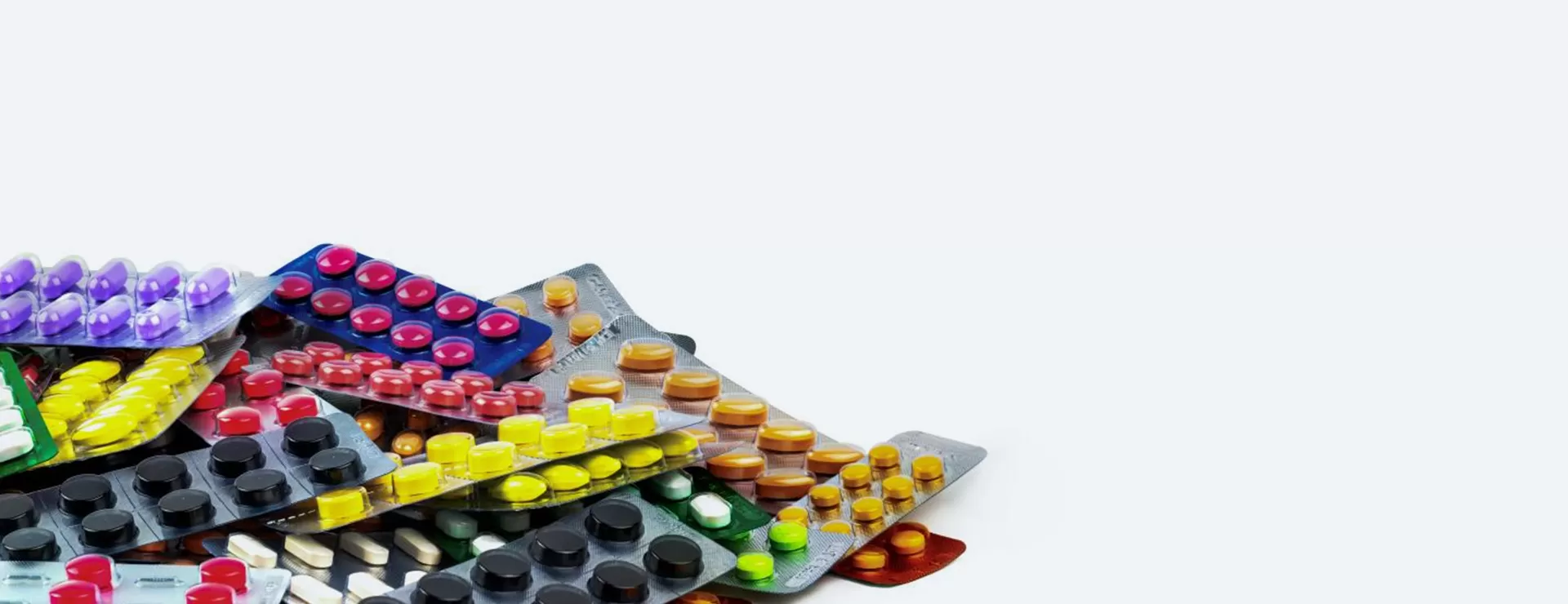
In pharmaceuticals, these machines are critical for sterile products: medicated ointments (e.g., antibiotic creams), ophthalmic gels, oral ulcer pastes, and hormone-based topical treatments.
For the food industry, they fill condiments like creamy salad dressings, spicy mustard, single-serve ketchup sachets, and low-sugar chocolate syrups.
Beyond these, they also package personal care items: fluoride toothpaste, ammonia-free hair dye tubes, and nourishing foot creams, plus household products like shoe polish—proving versatility across industries.
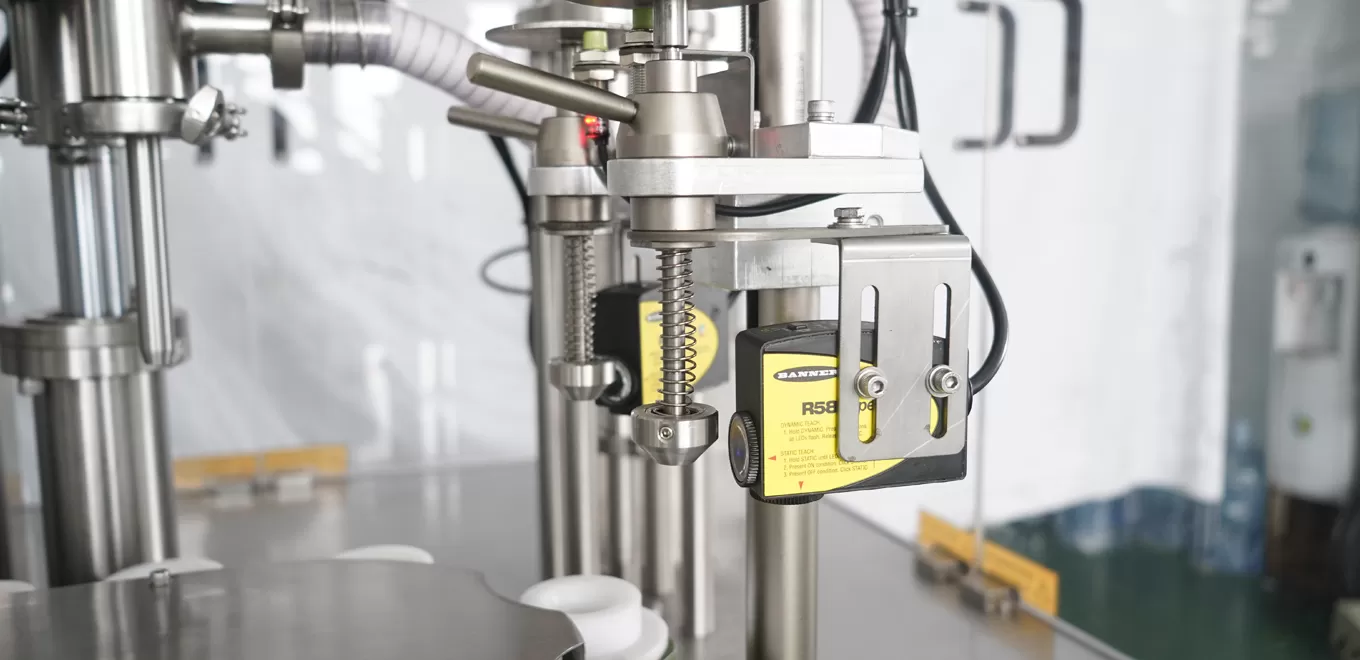
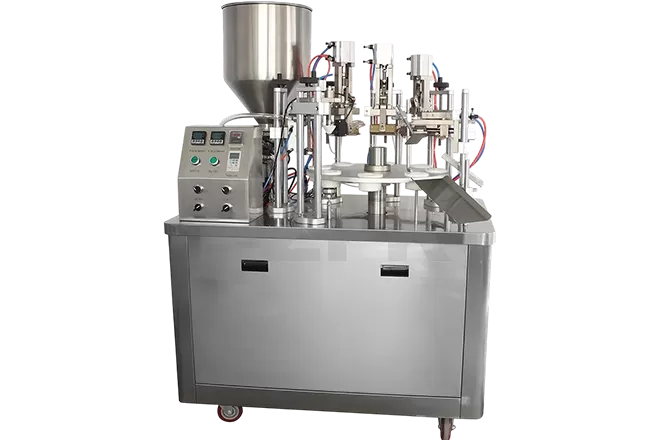
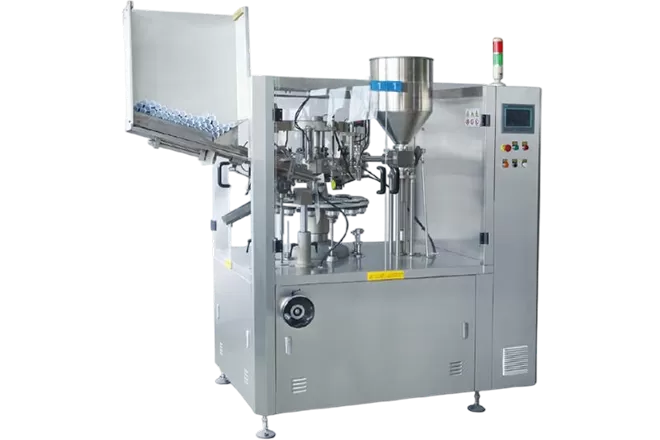
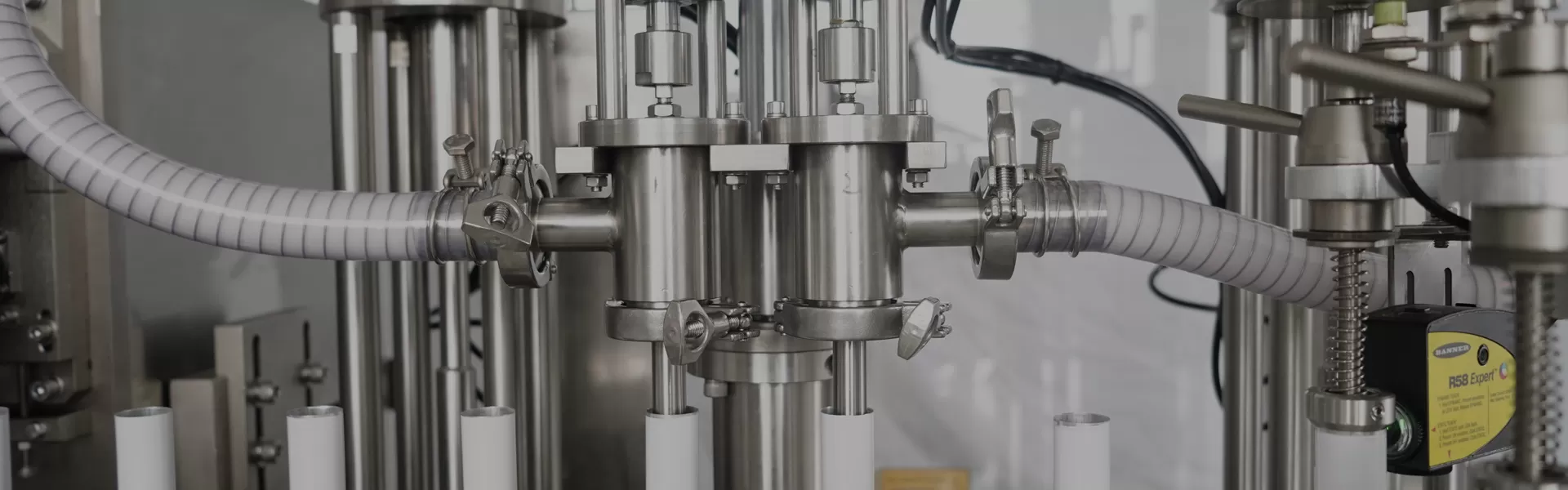
Semi-auto machines are particularly well-suited for small-batch businesses, such as independent skincare brands or artisanal producers, which typically operate with limited budgets and necessitate manual tube loading to maintain cost-effectiveness and operational flexibility. These systems allow for lower initial investments and easier setup, making them ideal for startups or niche markets where production volumes are modest. In contrast, full-auto machines are ideal for large-scale pharmaceutical or food companies requiring high-throughput efficiency, offering fully automated tube feeding, sealing, and handling capabilities with outputs exceeding 1000 tubes per hour. This automation significantly reduces labor requirements, minimizes human error, and enhances production consistency, thereby justifying the higher upfront costs through rapid scalability, long-term savings, and the ability to meet demanding industry standards for mass manufacturing.